
"wild arabica"
2000 article(s) found

Which country is Arabica? The birthplace of Arabica coffee-Ethiopia Ethiopia!
Professional coffee knowledge exchange more coffee bean information please follow coffee workshop (Wechat official account cafe_style) Arabica wants to know coffee and its cultural story, you have to know the hometown of individual coffee Arabica (Arabica) coffee beans-Ethiopia, in addition to bringing you carefully selected Ethiopia-Yega Sheffield G1 coffee beans and linked

Introduction to Ethiopian Yega Snow Coffee, which is very unique and rich in taste.
Today, Ethiopia is an important coffee producer, with about 12 million people engaged in coffee production and a major exporter of Arabica coffee beans in Africa. The high-quality coffee here is of excellent quality and is worth looking for. A variety of coffee cultivation methods can be found in Ethiopia: from wild coffee forests and semi-developed land

A brief introduction to the description of the flavor and aroma characteristics of coffee beans with wild taste.
The highest grades of Sidamo (Yirgacheffe, Sidamo) are Grade 2 and Grade 3 (G2 and G3), and most of the sun-processed coffees in eastern Ethiopia are Grade 4 or Grade 5 (G4 and G5). In many cases, level 4 coffee is marked as level 5 in order to reduce taxes. At present, the grading is not uniform and messy, because there are primary and secondary sun processing (Grand G).

Brief introduction of Ethiopian Coffee the hometown of Arabica Coffee
Lim G2 Ethiopia is the hometown of Arabica coffee, and you can see wild Arabica coffee in the forests of the Kaffa region. In Ethiopian, coffee is called Bun or Buna, and coffee beans (coffee bean) may be translated from Kaffa Bun. Arabica coffee has long been found in the Harald area, which is very accessible.

Yemeni Coffee-the vanishing Arab Wild
Although Ethiopia is the birthplace of Arabica, the first coffee that Europeans drank from the end of the 17th century to the beginning of the 18th century came from Yemen. At that time, all African or Arabian coffee was exported from the port of Mocha, so that Mocha became synonymous with coffee, while Harald, the capital of the city walls, became a supporting role. However, three hundred years later, Yemeni coffee is no longer what it used to be.

Introduction to the types of coffee beans | Analysis of the blood relationship between Arabica and Rosa!
Professional coffee knowledge exchange more coffee bean information please follow the coffee workshop (Wechat official account cafe_style) front street-the relationship between Arabica and Rose Summer is the existence of a king in coffee, low production plus excellent flavor, not only won many awards in the world raw bean competition, but also the price has been high, attractive flavor and high price make very
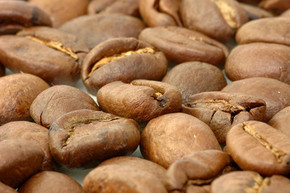
Introduction to the hometown of Arabica Coffee and Ethiopia Coffee
Following caf é (Wechat official account vdailycom) found that Beautiful Caf é opened a small shop of its own Ethiopia is the hometown of Arabica coffee, it is in the forests of the Kaffa region that you can see wild Arabica coffee. In Ethiopian, coffee is called Bun or Buna, and coffee beans (coffeebean) may be turned from Kaffa Bun

Characteristics of coffee flavor manor in Sidamo Chiso region of Ethiopia with slightly alcoholic aroma
Ethiopia is an important coffee producer with about 12 million people engaged in coffee production and is a major exporter of Arabica coffee beans in Africa. The high-quality coffee here is of excellent quality and is worth looking for. Various forms of coffee cultivation can be found in Ethiopia: from wild coffee forests and semi-developed land, to traditionally operated plots of land, to modern plantations.

Uganda AA Coffee | Coffee from Cloud Waterfall Farm in Bugison is full of wild African flavor.
Uganda is located in the source of the Nile is a landlocked country not off the sea in Africa, a country with lush green forests, lakes, wetlands and rivers rich in water resources, almost all administrative areas grow coffee, it is the tenth largest producer in the world, but generally people do not know much about it, because the quality is somewhat different from that of other East African beans, because the terrain is difficult after coffee harvest.

Coffee varieties | the rise of hybrid coffee varieties what kind of coffee is F1?
Before introducing mixed coffee, let's briefly introduce the types and types of coffee. There are 125 kinds of coffee. But almost all coffee served in coffee shops or sold in supermarkets is Arabica coffee, robusta coffee or a mixture of both. Arabica coffee is the most common species, famous for its high-quality flavor and aroma, but it is also the most susceptible

Vanishing Arabian Wild Yemeni Coffee beans
Although Ethiopia is the birthplace of Arabica, the first coffee that Europeans drank from the end of the 17th century to the beginning of the 18th century came from Yemen. At that time, all African or Arabian coffee was exported from the port of Mocha, so that Mocha became synonymous with coffee, while Harald, the capital of the city walls, became a supporting role. However, three hundred years later, Yemeni coffee is no longer what it used to be.

Introduction to the Variety characteristics of Coffee Flavor description method in Sidamo Shachisuo, Ethiopia
Sidamo coffee beans Ethiopia is the hometown of Arabica coffee, and it is in the forests of the Kaffa region that you can see wild Arabica coffee. In Ethiopian, coffee is called Bun or Buna, and coffee beans (coffeebean) may be translated from Kaffa Bun. Arabica was discovered early in Harald (Harar).

What is Ethiopian Buna coffee? Introduction of Sidamo Hanggut Hunkute Coffee Cooperative
Professional coffee knowledge exchange more coffee bean information please follow the coffee workshop (Wechat official account cafe_style) Ethiopia is the hometown of Arabica coffee, it is in the forests of Ethiopia's Kaffa region that you can see wild Arabica coffee. In Ethiopian, coffee is called Bun or Buna, coffee beans (coffeebean

Arab wildness in the disappearance of Yemeni Coffee
Although Ethiopia is the birthplace of Arabica, the first coffee that Europeans drank from the end of the 17th century to the beginning of the 18th century came from Yemen. At that time, all African or Arabian coffee was exported from the port of Mocha, so that Mocha became synonymous with coffee, while Harald, the capital of the city walls, became a supporting role. However, three hundred years later, Yemeni coffee is no longer what it used to be.

The birthplace of Arabica Arabica coffee beans-the story of Ethiopia producing area in Ethiopia
Professional coffee knowledge exchange more coffee bean information Please follow the coffee workshop (Wechat official account cafe_style) if you want to know coffee and its cultural story, you have to first understand the hometown of individual coffee Arabica coffee beans-Ethiopia, Qianjie Coffee in addition to bringing you carefully selected Ethiopian-Yega Sheffield G1 coffee beans and earbags

Boutique Coffee basic knowledge Coffee Tree varieties
Coffee is a perennial evergreen shrub or small tree of Rubiaceae. It is a horticultural perennial cash crop with the characteristics of fast growth, high yield, high value and wide market. Wild coffee trees can grow to a height of 5 to 10 meters, but coffee trees planted on the manor are often cut to less than 2 meters in order to increase their fruit and facilitate harvesting. The opposite leaves of coffee trees are long oval.

Ethiopia Sidama Region Geographical Features Manor Flavor Description Origin Yega Shefi Features
In the southwestern highlands of Ethiopia, the Kaffa, Sheka, Gera, Limu and Yayu Senli coffee ecosystems are considered the home of Arabica coffee. These forest ecosystems are also home to a variety of medicinal plants, wildlife and endangered species. angstroms

It is an important coffee producing country in Ethiopia.
Today, Ethiopia is an important coffee producer, with about 12 million people engaged in coffee production and a major exporter of Arabica coffee beans in Africa. The high-quality coffee here is of excellent quality and is worth looking for. A variety of coffee cultivation methods can be found in Ethiopia: from wild coffee forests and semi-developed land

Ethiopian coffee variety brand flavor description taste treatment grinding scale
Ethiopian coffee category brand flavor description taste treatment grinding scale washing Ethiopian wild djimmahjima mocha coffee, wild appearance below, is gentle heart; it is indeed a relatively high quality low acidity coffee. Sidamo sidamo Ethiopia Sidamo is a type of single origin that grows in Arabica coffee in the Sidamo province of Ethiopia. Vs.

The basic knowledge of high-quality coffee
Coffee is a perennial evergreen shrub or small tree of Rubiaceae. It is a horticultural perennial cash crop with the characteristics of fast growth, high yield, high value and wide market. Wild coffee trees can grow to a height of 5 to 10 meters, but coffee trees planted on the manor are often cut to less than 2 meters in order to increase their fruit and facilitate harvesting. The opposite leaves of coffee trees are long oval.